Understanding gambling A beginner's guide to smart betting
Understanding gambling A beginner's guide to smart betting
What is Gambling?
Gambling is the act of wagering money or valuables on an outcome that is largely influenced by chance. This can encompass a wide range of activities, from betting on sports and playing casino games to participating in lotteries. The allure of gambling often stems from the potential for significant financial gain, as well as the excitement and entertainment it provides. However, understanding the underlying mechanics and risks associated with gambling is crucial for anyone considering participation. In exploring this complex arena, future trends in gambling indicate a significant shift toward online platforms, leading many to seek information at https://fastestvpn.com/igaming/new-online-casinos-canada/.
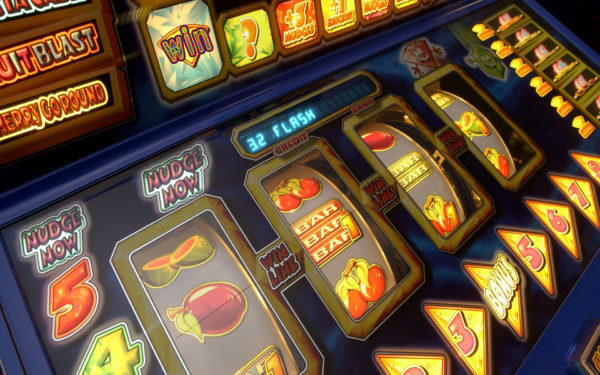
At its core, gambling involves risk management and decision-making. Individuals must assess not only the odds of winning but also their own financial limitations. The thrill of the game can sometimes cloud judgment, making it essential for beginners to approach gambling with a clear mindset and a well-defined strategy. Knowing what types of games or bets offer better odds is a fundamental aspect of successful gambling.
Moreover, the gambling landscape has evolved significantly with the advent of technology. Online gambling platforms have gained popularity, allowing players to engage in various forms of betting from the comfort of their homes. This shift has also introduced new complexities and challenges, making it imperative for new gamblers to educate themselves on both traditional and digital betting formats.
The Psychology Behind Gambling
The psychology of gambling is a fascinating field that explores the motivations and behaviors of players. Understanding why people gamble can provide insight into how to make smarter betting decisions. Many gamblers are drawn to the thrill of risk-taking and the adrenaline that comes with potentially winning. However, this excitement can lead to impulsive decisions, often resulting in financial losses.
Additionally, cognitive biases play a significant role in gambling behavior. For instance, the illusion of control may lead gamblers to believe they can influence outcomes that are fundamentally random. Similarly, the gambler’s fallacy—where one believes that past outcomes can affect future results—can skew judgment and lead to irrational betting strategies. Acknowledging these psychological factors is essential for anyone looking to engage in gambling responsibly.
Effective strategies can help mitigate the negative psychological effects of gambling. Setting strict budgets, implementing time limits, and using self-exclusion tools are practical measures that can enhance the gambling experience while reducing the risk of addiction or excessive loss. Ultimately, being aware of the psychological influences at play can empower individuals to make more informed and responsible betting decisions.
Types of Gambling
Gambling can be broadly categorized into several types, each with its unique features and rules. Casino games, such as poker, blackjack, and roulette, are some of the most popular forms of gambling. They usually involve a mix of skill and chance, with players often needing to develop strategies to improve their odds of winning. Familiarizing oneself with the rules and odds associated with these games is vital for maximizing potential returns.
Sports betting is another prevalent form of gambling. It involves placing wagers on the outcomes of various sporting events. Understanding the nuances of the sport, team statistics, and player performance can significantly impact betting success. Additionally, with the rise of live betting, where wagers can be placed during a match, the landscape of sports betting has become even more dynamic and engaging.
Lottery games, though generally offering the lowest odds of winning, attract millions due to their potential life-changing jackpots. Unlike casino games or sports betting, lotteries are based purely on chance, and while the excitement can be infectious, they should be approached with caution. Whether engaging in high-stakes poker or trying one’s luck with a lottery ticket, awareness of the different types of gambling can help beginners make informed choices.
Developing a Betting Strategy
Crafting a solid betting strategy is crucial for maximizing potential winnings while minimizing losses. A well-thought-out approach often includes setting a budget and adhering to it strictly. This budget should account for entertainment expenses rather than viewing gambling as a source of income. It is important to remember that gambling outcomes are uncertain, and losses should be anticipated as part of the experience.
In addition to financial considerations, research is a key component of developing a successful betting strategy. This could involve studying game rules, odds, and past performances for sports betting. Taking the time to analyze trends and statistics can provide valuable insights that may enhance decision-making processes. Leveraging data and established strategies can help individuals avoid impulsive bets driven by emotional responses.
Furthermore, it is essential to remain adaptable and open-minded when implementing a betting strategy. What works for one individual may not necessarily yield the same results for another. Regularly reviewing and adjusting strategies based on outcomes and experiences can improve future betting success and make the entire gambling experience more enjoyable.
Smart Betting Practices for Beginners
For those new to gambling, adopting smart betting practices can significantly enhance the experience and mitigate risks. One of the foremost strategies is to start small. Beginners should avoid placing large bets until they become more familiar with the games and strategies involved. This approach not only minimizes financial risk but also allows for learning and adjustment without the stress of significant losses.
Educating oneself about the odds and probabilities associated with different games is another critical practice. Understanding how to calculate potential payouts and the likelihood of winning can inform smarter betting decisions. Many online platforms offer resources and guides, making it easier for newcomers to grasp the essentials of each game.
Lastly, maintaining a balanced mindset is paramount. It is easy to get swept up in the excitement of winning or the frustration of losing, but staying grounded can lead to more rational decision-making. Setting limits, both in terms of time and finances, and recognizing when to take breaks can contribute to a more enjoyable and responsible gambling experience for beginners.

Conclusion and Resources
Understanding gambling and developing a strategic approach to betting can significantly enhance the experience for beginners. The journey into the world of gambling should be approached with knowledge, caution, and a sense of responsibility. By educating oneself on various types of gambling, the psychology behind it, and smart betting practices, newcomers can navigate this exciting landscape more effectively.
In addition, numerous resources are available to help individuals deepen their understanding of gambling trends and practices. Many websites offer comprehensive guides, forums for discussion, and tools for responsible gambling. Engaging with these resources can provide invaluable insights and foster a healthier relationship with gambling, ensuring that it remains a form of entertainment rather than a source of stress or financial strain.